

By Shane Hearn, Vanessa Langenberg, Kristy Harper, Libby Callaway, Hilary O’Connell, Eleanor Kennett Smith, and Natasha Layton‑

In a summer where bushfires have once again swept across parts of Australia, reshaping landscapes and testing communities, it’s hard not to think about how change leaves its mark.
As Aunty Elly Chatfield, a proud Gamillaroi woman tells us, “After a bushfire, many things sprout. Trees are germinated and come to life after fires, and that conversation of rising from those ashes is important and runs parallel with your life and growing older.
You’ve finished work, you might not feel important anymore, things may seem burnt to the ground, but there are many things that come out of it.” She likened this natural regeneration to the human experience of ageing, where memory may fade and bodies slow down, yet resilience and new life persist beneath the surface.
This perspective emphasises the importance of culturally safe long-term care solutions that honour the interconnectedness of Culture, Country, and Community. By aligning programs and services with these values, we can support First Nations people in not just maintaining independence, but thriving within their cultural context.
Age brings change. But beneath these shifts, there is still growth and the capacity to adapt and reconnect. And assistive technology (AT) can play a vital role in that renewal.
AT includes assistive products – such as mobility supports, adapted kitchen tools, vision aids, and bathing equipment – and the advisory services that help match these products to a person’s goals, needs and context. When provided appropriately, AT can optimise function and reduce the experience of disability. The World Health Organization and the United Nations recognise access to AT as essential for universal health care initiatives and upholding human rights.
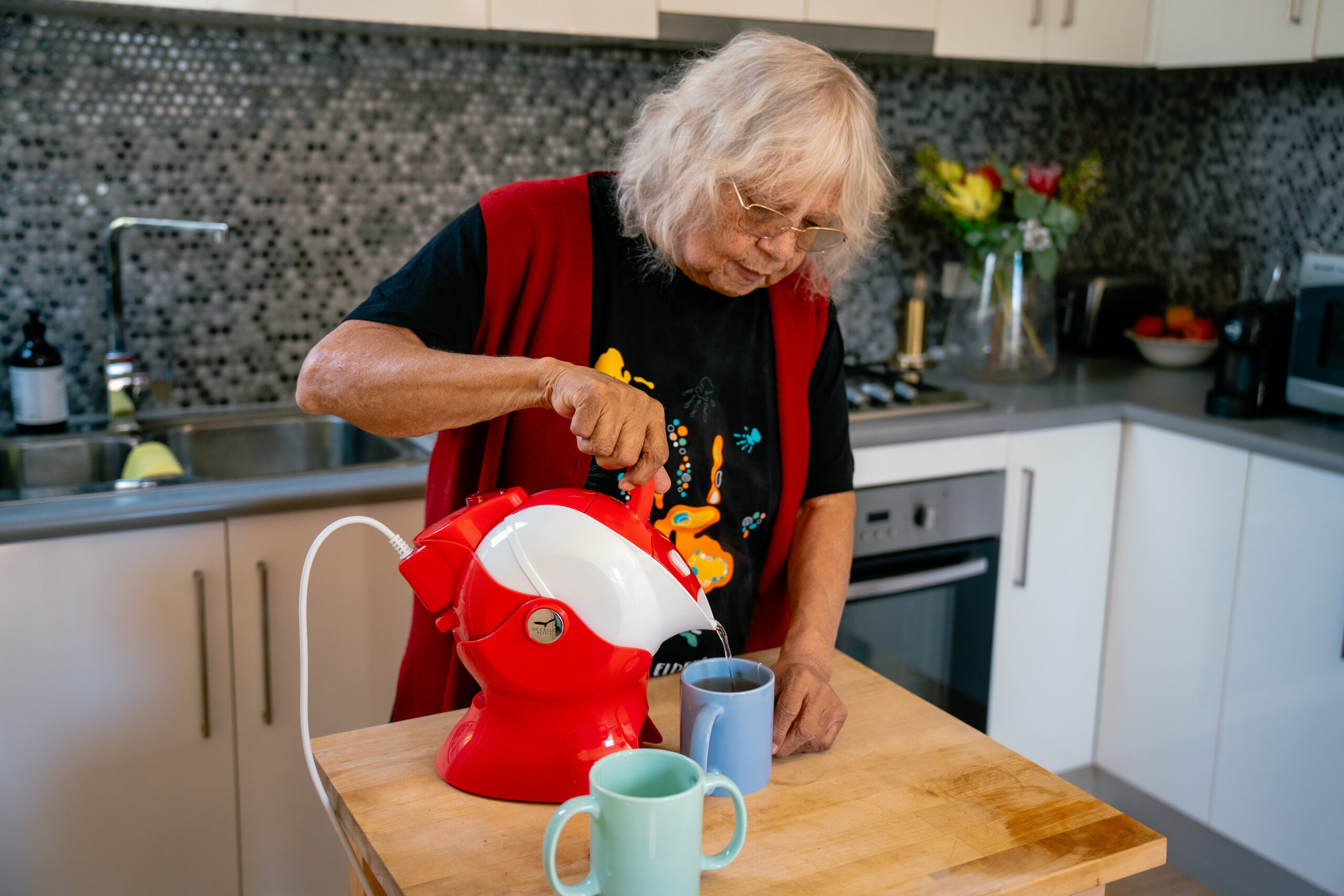
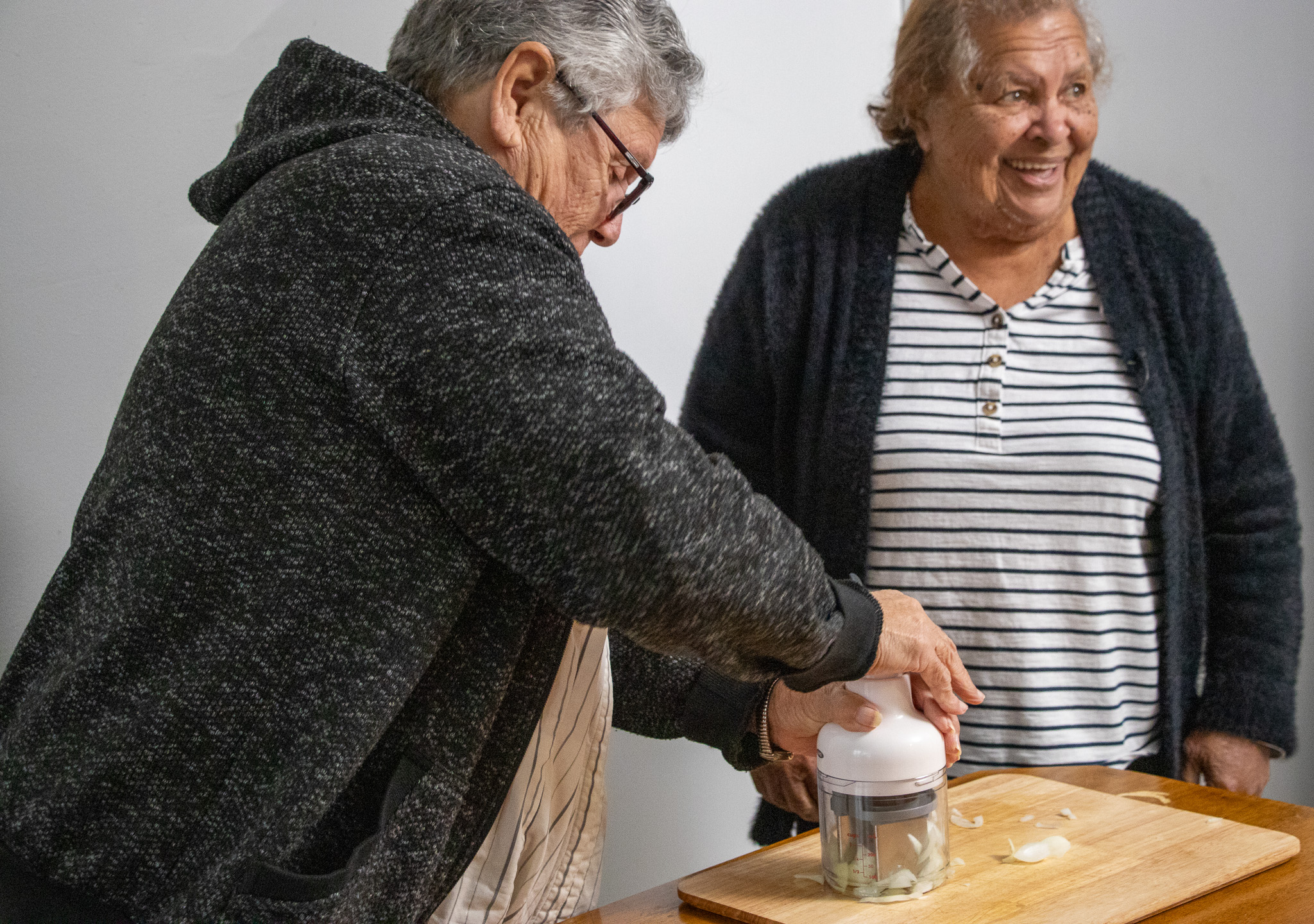
Older Aboriginal and Torres Strait Islander peoples in Australia have described using low-cost, low-risk AT to sustain daily activities, uphold multigenerational caregiving roles, and keep doing the things that bring them joy, pride, and connection. This includes using a transfer bar to get in and out of a car to take grandkids to school or visit important sites on Country; using adaptive gardening tools to keep caring for traditional plants; or wearing adapted headphones to listen to songs in-language that bring calm, grounding, and mindfulness. AT can help Elders maintain or improve their strength, even after the fire.
The World Health Organization estimates that 2.5 billion people worldwide need one or more forms of AT to stay strong and engaged in their communities. This need is even greater for First Nations communities , due to higher rates of disability and health conditions.
And yet, research shows that Australia’s current approach to AT provision is ‘white-centered’ and culturally unsafe, limiting equitable awareness, access, or the benefits that come when AT programs and services genuinely engage with their diverse cultures, histories, and relational contexts.
A Traditional Custodian of the Jarowait and Giabel Nations shared:
“Even AT as a tool of self management, it’s a white lens and government speak.”
A Traditional Custodian of the Yuin Nation reflected on what is needed:
“We need to deepen older First Nations people’s experiences of AT with Culture, Country, and Community, those things are their protection to help them thrive as they grow older.”
Cultural safety is deeply individual – but 24 older Aboriginal and Torres Strait Islander community members and 26 staff from Aboriginal and Community Controlled Health Organisations shared what works for them, and what doesn’t across the AT journey. These insights were analysed using concept mapping, drawing on global AT provision guidelines and the World Health Organization’s 5P model (People, Products, Personnel, Provision, and Policy), and the 8 steps of AT service delivery.
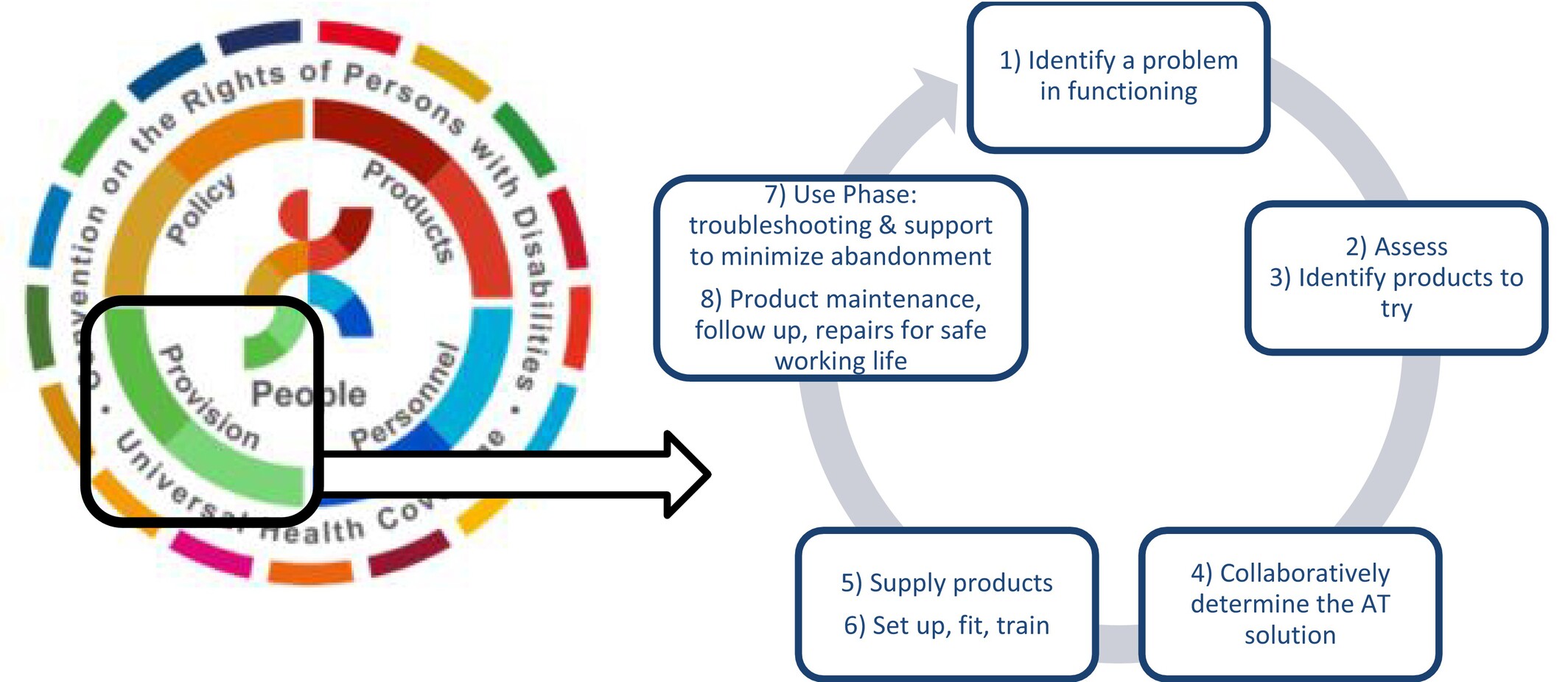
Findings reveal that Western systems often undervalue Aboriginal and Torres Strait Islander knowledge and perspectives around AT, creating a cultural mismatch, in communication gaps, rigid service structures, and poor alignment between AT “solutions”, lived realities and culturally safe AT practices. Addressing these disparities requires a culturally safe approach to assistive technology provision that acknowledges and integrates the values, needs, and experiences of First Nations people.
By recentering First Nations perspectives across the AT ecosystem, the new research clarifies areas for progress and practical changes that make AT more effective, inclusive, and empowering. You can read the practice analysis here.
This post draws from this journal article: Hearn, S., V. Langenberg, K. Harper, et al. 2025. “Culturally Safe Assistive Technology Provision in Australia: Concept Mapping Perspectives From Aboriginal and Torres Strait Islander People.” Australian Journal of Social Issues 1-12. https://doi.org/10.1002/ajs4.70085.
The authors sincerely acknowledge and thank all those who contributed to this research. With special thanks to staff from Aboriginal community-controlled health organisations: Bungree Aboriginal Association, Carbal Medical Services, Gunditjmara Aboriginal Cooperative, Karadi Aboriginal Corporation, Rumbalara Aboriginal Cooperative, The Purple House, Wyanga Aboriginal Aged Care.
Practical action
Aboriginal community-controlled health organisations in Australia have been living and leading culturally safe approaches for generations. They draw on cultural knowledge, kinship, and genuine community connections to create care environments where Elders, older people, and their families are truly respected, listened to, and safe. Their strengths-based, diverse ways of knowing and doing, offer powerful examples for the global long-term care sector to invest in and learn from. Embracing such an approach not only enhances the effectiveness of AT provision but also fosters trust, respect, and meaningful engagement with First Nations communities.
Carbal Medical Services – an award-winning community-responsive Aboriginal Medical Service
“Carbal Medical Services provides high quality, sustainable and comprehensive primary health care services. In conjunction with providing Clinical services, Carbal also provides a population of health programs that are culturally safe and responsive to community needs. Carbal is also proud to partner with complimentary service providers to ensure our community receive tailored care to our individuals.
Carbal offers the Elder Care Support Program, which is designed to target the 50 and over Aboriginal & Torres Strait Islander community. The program is responsible for providing services such as:
- Supporting older First Nations people to understand aged care services, navigate the assessment process and help with choosing a provider.
- Supporting families, friends and carers to understand how to access aged care services.
- Advocating for older First Nations people by working with assessors and providers to meet their needs.
- Supporting older First Nations people while they receive aged care services.
- Assisting with other types of health needs, such as disability supports.
The program is important as First Nations communities in Australia experience barriers in accessing My Aged Care services and navigating the system. These barriers often prevent First Nations people from receiving care.
Carbal’s Elder Care team ensure cultural safety is at the heart of what we do. They provide this by ensuring Elders feel respected, valued, and free from judgement and discrimination.
Our approach involves fostering trust, understanding our Elder’s cultural & spiritual needs, and enabling connections to Country and Mob. Our approach requires a trauma-aware approach that acknowledges history, empowers our Elder’s decision making, and includes inclusive environments.
Carbal Medical services is proud to have collaborated with Independent Living Assessment (iLA) to further support and promote the need for culturally safe assistive technology. AT was never designed with Aboriginal & Torres Strait islander people in mind. In conjunction with iLA, and community Elders, we are hoping to see a positive change in assistive products that strongly support our Elders to remain connected to country, Mob, and their independence.”
– Amanda King, Elder Care Support Program Coordinator, Carbal Medical Services
Cultural safety in AT isn’t the responsibility of First Nations people to create or fix. It requires proactive, ongoing action from policymakers, government bodies, and mainstream practitioners and service providers to unlearn harmful practices, relearn more effective and respectful ways of reaching people, and reshape how they show up in the AT space, and in their work with First Nations people.
LiveUp – a digital-first mainstream healthy ageing program
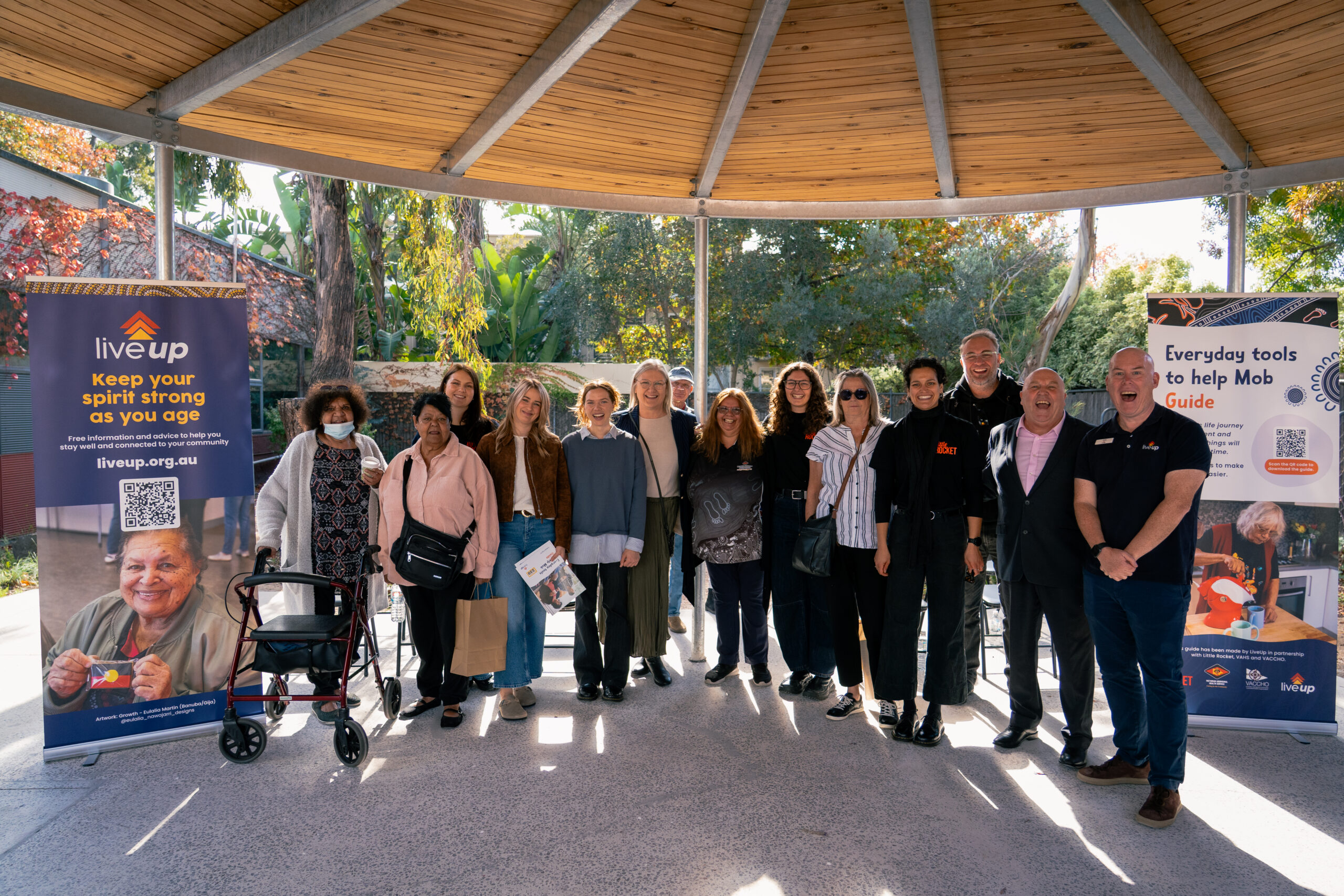
LiveUp is powered by not-for-profit Independent Living Assessment (iLA) and funded by the Australian Government. It provides free information and advice on low-risk AT and reablement options for people aged 65+ living in Australia. LiveUp is committed to ongoing research and collaboration with Aboriginal and Torres Strait Islander Elders, older people, and the community-controlled workforce to develop culturally-informed supports in AT and reablement. Funded by the Australian Government, these efforts hope to strengthen decision-making and empower people of all different backgrounds with resources to create long-term care solutions that work for them.
You can view some of these tailored LiveUp resources here. They were created in partnership with Victorian Aboriginal Health Service, Victorian Aboriginal Community Controlled Health Organisation, Little Rocket, and Campfire x.
Author affiliations:
Prof Shane Hearn1 and Ms Vanessa Langenberg2, Ms Kristy Harper2, A/Prof Libby Callaway3,4, Ms Hilary O’ Connell2, Ms Eleanor Kennett-Smith2 and A/Prof Natasha Layton3
1 First Nations Health, Faculty of Health Sciences & Medicine, Bond University, Robina, 4226
2Independent Living Assessment (iLA), East Perth, 6004
3Rehabilitation, Ageing and Independent Living (RAIL) Research Centre, Monash University, Frankston, 3199
4Occupational Therapy Department, Monash University, Frankston, 3199
Suggested citation:
Hearn S., Langenberg V., Harper K., Callaway L., O’Connell H., Kenneth Smith E. and Layton- (2026) Assistive Technology provision – perspectives on cultural safety from Australia. GOLTC Blog, Global Observatory of Long-Term Care, Care Policy and Evaluation Centre, London School of Economics and Political Science. https://goltc.org/publications/assistive-technology-provision-perspectives-on-cultural-safety-from-australia/